How to use tablets and blended learning for effective adult education in Africa – Day 2

We are now on day two of our seminar How to use tablets and blended learning for effective adult education in Africa led by Batseba Seifu from Institute for Peace and Security Studies, University of Addis Ababa, Ethiopia.

Yesterday, we started the seminar by sharing a number of resources  including a narrated presentation (available here) and a web page with screenshots from the IPSS training project.  In her narrated presentation Batseba gives an overview of her blended learning project which aimed to mitigate the challenges of limited access to digital networks by participants with  limited technology experience while fostering an effective learning community. The case presented offers stimulus for an online discussion about how to use technologies for education in areas with severely constrained  internet connectivity and bandwidth.

To join the discussion please head straight to our discussion forum. Posting in the discussion forum requires registration to the e/merge Africa site, which can be done free of charge here. If you are interested in receiving e-mail updates about this seminar during this week.
 

Next seminar: How to use tablets and blended learning for effective adult education in Africa

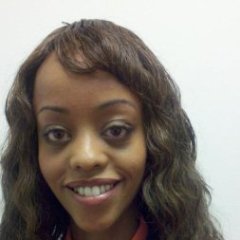
We are happy to announce our next online seminar How to use tablets and blended learning for effective adult education in Africa starting Monday 4 August and runs to and including Friday 8 August. This seminar is led by Batseba Seifu from Institute for Peace and Security Studies, University of Addis Ababa, Ethiopia. Our presenter will showcase a tablet based blended training application for adult education, used in Ethiopia in order to  introduce the benefits of using tablets for training and show ways of mitigating challenges often faced when using tablets for training adults in Africa. Participants will learn how to apply the technology, methodology, and didactics of the training to other subjects and other areas in Africa to harness the potential of tablets for training. Two key strategies here are supporting student interaction and motivation during the distance learning period and supporting socialization during the face-to-face learning period. The case presented will serve as stimulus for an online discussion about how to use technologies for education in areas with severely constrained  internet connectivity and bandwidth. This seminar is free of charge and you can sign up using the form below.

Batseba Seifu is a project manager at the Institute for Peace and Security Studies (IPSS) at Addis Ababa University in Ethiopia. Prior to working at IPSS, she worked at various organizations among which are PricewaterhouseCoopers and The Nature Conservancy. She earned her Masters of Public Administration from New York University and her BA degree in Paralegal Studies from Central Washington University (Cum Laude). She lived in the United States of America for 14 years before settling in Addis Ababa, Ethiopia.


‘Online Interview Research’ – live session today

Please join us, when we will be ending our seminar Online Interview Research: Designing, Doing, Teaching with Dr Janet Salmons today. Dr. Salmons will host a live session today Monday 28 July at 3 pm (SAST/GMT+2). Please reserve the time in your calendars and enter the Adobe Connect meeting room here, 15 minutes before the session begins. If this is your first Adobe Connect session we are strongly encouraging you to read through setup instructions here.

With participants from Nigeria to Swaziland to South Africa, conversations are ongoing in:

– What are ‘online interviews’?  How can we use them in instruction and research?

– Think through the choice to interview online

– Think through the choice of ICT

Dr Salmons is hugely knowledgeable in using ICTs for research, and while much can be gleaned from her presentations and posts, the real value for you as participant would be in joining us in the forums and asking her pointed questions – the questions that you need answered with regard to your own online research.  We look forward to meeting you in the forums, and hearing Dr Salmons’ answers to your questions!