Learn to tell your research story!

A two weeks online course facilitated by:
Rashad Mohammad, Michigan State University
Daniela Gachago, Cape Peninsula University of Technology
Jolanda Morkel, Cape Peninsula University of Technology

Duration: 22 June 2015 – 3 July 2015 – With an unofficial start 15 June 2015!

From Monday 22 June we officially started the course with the first online event, followed by two more events on Friday 26 June and Friday 3 July. Although this course has now ended webinar recordings and slides are remain available on our resource site for inspiration!

Straight from the horse’s mouth may sound like the best way to get information, but not if you don’t understand the whinnies and neighs. Likewise, scientists and researchers may have the best understanding of their own work but struggle to explain it to people who are not experts of their field. Science communication is becoming more and more important in increasing research uptake, i.e. the dissemination of your research output beyond conferences and academic publications.

This 2-weeks online course will introduce you to ideas around science communication, focusing on one particular way of communicating your research journey: in the form of digital research stories.

This online course targets researchers, but could benefit anyone interested in engaging the public, decision makers and others members of the community with information that is technical or otherwise unfamiliar to the audience.

The first week focuses on writing and constructing an understandable narrative. It teaches you to kill jargon, focus topics, decide what not to write, use active voice, report what’s interesting rather than merely important, use word and graphic images and omit needless words. The second week will introduce you to the idea of storyboarding, helping you to find the right images for your story. Furthermore we will discuss tools you could use to create your digital story. Follow-up workshops can be organised for people needing more practical support in developing their stories.

Digital research stories have many functions: it’s the kind of thing that you can use for a Linked-In profile, an item for your CV, a way to demonstrate your communication skills to employers. It is an asset that can bolster grant applications, improve your teaching, make your research more discoverable and applicable.

These are some videos produced by a researcher who took this class.

Making healthy cereals
A scientist look into Centralia, Pennsylvania, United States

 

Events in June 2015

We are pleased to announce our upcoming events for e/merge Africa in June:

1. Setting up eLearning Programmes at Higher Educational Institutions

This mini-seminar took place 3 June and ending 5 June 2015 and was convened by Dr. Ebenezer Malcalm from the University of Professional Studies, Accra, Ghana who presented on the challenges on setting up an eLearning programmes at higher educational institutions. Resources from this mini-seminar will remain available here, including the Adobe Connect live session from Friday 5 June.

2. eLearning Africa report back session

On 10 June at 1 pm (GMT +2) the e/merge Africa team reported back on their experience of the eLearning Africa conference that took place in Addis Ababa, Ethiopia in late May 2015. The recording of this Adobe Connect session is available here

3. Digital Story Telling and MOOCLETs

From 15-19 June we offer a seminar on the use of mini Massive Open Online Courses (MOOClets) and their use for digital storytelling courses. This seminar is presented by Rashad Muhammed from Michigan State University, US together with Daniela Gachago and Jolanda Morkel from Cape Peninsula University of Technology (CPUT), South Africa. To sign up, please refer to this site

Dr. Ebenezer Malcam, Setting up eLearning Programmes in Higher Educational Institutions

Dr. Ebenezer Malcalm

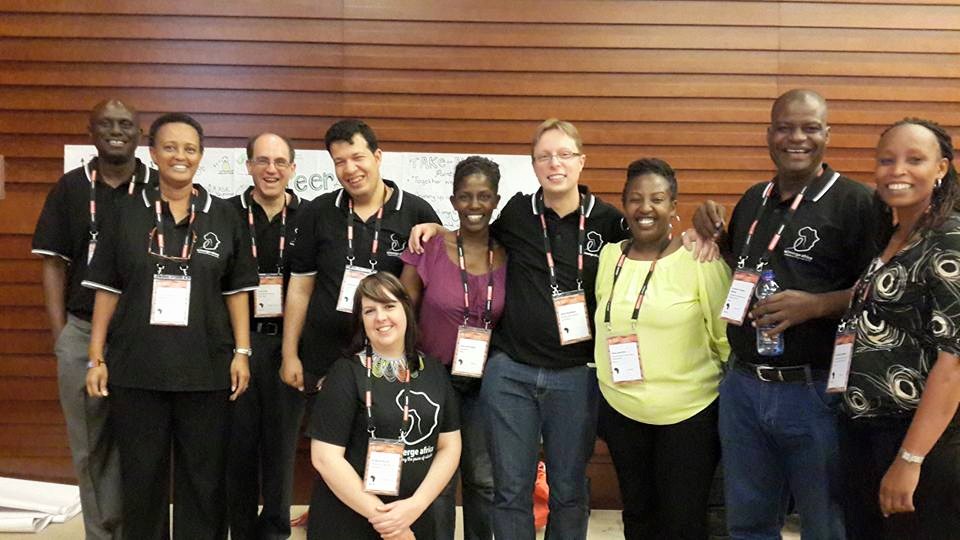
The e/merge Africa team with online facilitators at eLearning Africa

The e/merge Africa team

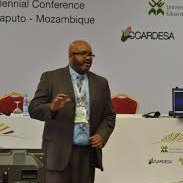
Rashad Muhammed,  Digital Storytelling and MOOCLets

Rashad Muhammed

2015 e/merge Africa Learning Design Seminar

4 – 19 May 2015

Starting on 4 May 2015 this 3 week workshop introduces the topic of learning design, focusing on the early part of the design process from discovery to ideation. During the three week period there will be 3 live online webinars and participants will be guided towards complete 3 online activities.

The three online activities are scheduled for the following dates:

Tuesday 5 May 12 – 1 pm (GMT +2)
Tuesday 12 May 12 – 1 pm (GMT +2)
Tuesday 15 May 6 – 7 pm (GMT +2)

This course is very valuable for all, who are interested in or currently involved in creating a course, seminar or module. This seminar is developed by Senior Lecturer Jolanda Morkel from Cape Peninsula University of Technology, South Africa and Dr. Nicola Pallitt from the University of Cape Town. The seminar is aimed at educators and draws on well-known figures from within the Learning Design Community, such as Gilly Salmon, Grainne Conole and Diana Laurillard. This is a great opportunity to get started on designing your own courses. To sign up please use the form below.

Nicola Pallitt holds a PhD in Media Studies and is a lecturer at the Centre for Innovation in Teaching and Learning at the University of Cape Town.Her research interests include understanding how people appropriate ICTs in various contexts. She is involved in curriculum innovation initiatives and work in assisting university staff with integrating educational technologies in their curricula. She also assists staff with developing their own professional ePortfolios for a range of purposes and provide special opportunities for postgraduates and new academics to develop these resources.
Jolanda Morkel is a qualified architect and senior lecturer in the Department of Architectural Technology in the Faculty of Informatics and Design at the Cape Peninsula University of Technology. The focus of her research and current doctoral studies in Design is the virtual learning environment for mastering conceptual design. She is investigating how emerging technologies may support the collaborative studio learning experience online.